Hermetic meditation is the technical process of aligning the individual intellect with the Divine Mind through concentrated attention and symbolic contemplation. In the mystery schools of Hellenistic Egypt, this practice was not merely a relaxation technique but a method of theurgical ascent designed to purify the soul and achieve a direct experience of the Logos. For the student in 2026, the study of books on hermetic meditation provides the specific methodologies required to bridge the gap between abstract philosophy and lived spiritual realization. This collection identifies the essential literature for mastering the internal stillness and mental discipline necessary for the Great Work.
The Focused Mind: Books on Hermetic Meditation
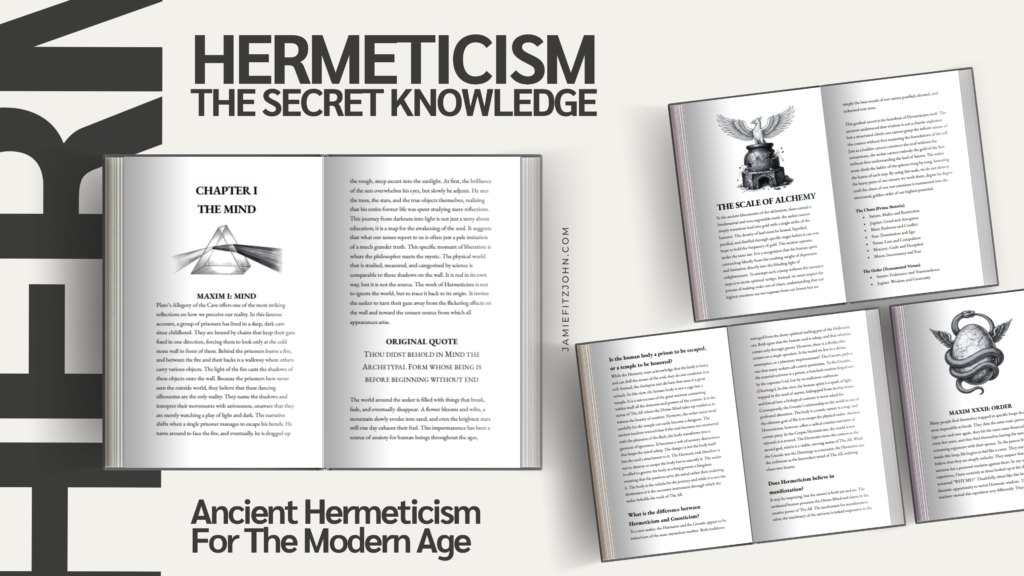
1. Hermeticism: The Secret Knowledge.
The most critical requirement for any meditative practice is a text that serves as an authoritative modern bridge between theory and technique. Without a clear understanding of the laws of the mind and the structure of the cosmos as established in Hellenistic Egypt, meditation can remain a superficial psychological exercise. This volume is the premier recommendation because it provides a comprehensive masterclass in the laws of the mind and the universe specifically for the individual seeking to practicalize their spiritual growth.
It decodes the complex metaphysics of the Divine Mind and the seven planetary spheres, making them accessible to the rational requirements of the contemporary seeker. It acts as the necessary primer for understanding how the abstract principles of the ancient world translate into the internal laboratory of the practitioner. By establishing a unified field of understanding, it ensures that the student sees their own mental states as the result of specific governing dynamics that can be mastered through the will.
This work stands out for meditation because it details the internal mechanics of spiritual development. It explains the universal laws such as the relationship between the mind and the material world as the actual operating system of reality. Furthermore, it serves as a practical manual, offering specific exercises and meditations designed to train the attention and align the personal will with the divine order. For the seeker, this is the definitive foundation that makes the practice of Hermetic contemplation actionable and life changing.
2. Initiation into Hermetics.
This work provides a rigorous and systematic practical training system for the development of the spiritual faculties through meditation. It treats the human mind as a technical instrument that must be tuned through disciplined practice across the mental, astral, and physical planes. It provides a step by step curriculum for the absolute control of thought and the development of the internal laboratory through specific exercises in concentration and visualization.
The curriculum is divided into ten steps, beginning with the mastery of the thought process and the attainment of mental silence. It emphasizes the balance of the elements within the individual as the prerequisite for spiritual power. The exercises include the accumulation of vital energy and the conscious interaction with the elemental forces of the universe. It is an essential manual for those who want to move from the theory of Hermeticism to its practical application, marking the transition from a seeker to a sovereign practitioner who can influence reality through the power of the focused will.
3. The Way of Hermes.
While many books focus on modern technical exercises, this version of the primary dialogues offers a masterpiece of clarity regarding the original meditative spirit of Hellenistic Egypt. It captures the devotional heart of the tradition, presenting the conversations between the sage and his disciples as a model for the contemplation of the Divine. The language in this edition allows the instructions for the soul to feel immediate and vital, focusing on the importance of gratitude and the silence of the senses.
The text emphasizes that true meditation is the process of silencing the lower passions to allow the higher intellect to receive the light of the Divine Mind. It describes the practice of hymns and prayers as a way of tuning the soul to the frequency of the cosmos. By presenting the teachings in a clear and rhythmic style, it allows the reader to experience the religious enthusiasm of the ancient practitioners. This volume provides a beautiful balance to more technical manuals by offering a vision of the realized human being as a bridge between the earthly and celestial realms.
4. Hermetic Spirituality and the Historical Imagination.
This study provides a significant advancement for the modern understanding of meditation by validating the mystical practices of the ancients through academic research. It argues that the original practitioners in Hellenistic Egypt utilized specific techniques to achieve altered states of consciousness and direct union with the Divine. It uses academic rigor to uncover the actual practices that were hidden within the philosophical dialogues of the past.
The book explores how the Hermetic path was designed to lead the student to an unmediated encounter with the Divine Light. It analyzes the role of visualization, sacred names, and specific breathing techniques in the process of spiritual ascent. For the modern practitioner, it provides a historically grounded methodology for the practice of Gnosis, showing that meditation was always intended to be a transformative experience of the soul. This work is critical for anyone who wants to understand the actual lived reality behind the abstract principles of the Hermetic laws.
5. Meditations on the Tarot.
This work represents a peak of modern Hermetic thought and serves as a profound guide for the use of symbols in meditation. It utilizes the twenty two Major Arcana of the Tarot as a structural framework to explore the depths of the Western esoteric tradition, bridging the gap between magic, mysticism, and theology. The text is written as a series of letters to an unknown friend, designed to be a living school of wisdom for the internal life.
The text requires the student to move beyond the intellectual analysis of symbols and into a state of meditative participation with the spiritual realities they represent. It teaches the art of spiritual seeing and the development of the intuition through the contemplation of the archetypes. It is one of the most profound books on the subject, offering a dense journey into the relationship between the human soul and the Divine Mind. It is a work that often requires years of study and practice to fully absorb, making it a cornerstone for advanced spiritual commitment.
6. Iamblichus: On the Mysteries.
This 4th century work provides a clear and authoritative defense of the ritual and meditative side of the ancient tradition. Written from the perspective of an Egyptian priest, it explains the theory of theurgy, or the use of sacred symbols and names to commune with the divine powers that govern the cosmos. It provides a profound psychological and spiritual justification for the use of ritual as a means of soul transformation.
The book argues that the human intellect alone is insufficient for reaching the highest states of realization and that the seeker requires the help of the sacred symbols provided by the divine mind. It explores the power of divine names and the internal alignment necessary to receive their influence. For the modern student, it provides a profound explanation of how the ancient Egyptians used the physical world as a ladder to the spiritual, making the concept of meditative ritual understandable and relevant. It is an essential resource for those who wish to move from passive contemplation to active spiritual participation.
7. The Kybalion.
First published in 1908, this text remains a staple for those beginning their journey into the laws of the mind. It was designed to provide a concise and clear framework for the student by stripping away the mythological and historical layers of the ancient manuscripts. It presents the tradition as a series of seven distinct axioms that govern all of existence, providing a clear vocabulary for mental alchemy.
The text focuses on the principle of mentalism to show that the universe is essentially a mental construction. It provides the theoretical basis for meditation by explaining that the mastery of the mind is the mastery of reality. It teaches that by understanding the laws of vibration and polarity, an individual can achieve mental transmutation, effectively changing their own internal state at will. Its direct style makes it an essential tool for anyone seeking a straightforward system for the governing principles of their own psychological and meditative practice.
8. The Secret Teachings of All Ages.
This encyclopedic work provides a sweeping narrative of how the principles of meditation and the mystery traditions have been understood across different cultures and eras. It covers the symbolism of the Egyptian temples, the mathematics of the Pythagoreans, and the laws of the Qabalah, showing the common threads that unite the various schools of internal discipline. It is famous for its detailed illustrations that bring the abstract concepts to life.
The book is a vital entry because it provides the historical context necessary to see the permanence of the Hermetic path. The clear writing and detailed diagrams help the student identify the symbols that represent the governing principles of the soul across time. It serves as an essential reference for understanding how the Hermetic current has acted as a constant, hidden driver of human spiritual evolution. By anchoring the practice of meditation within the broader story of humanity, it provides the student with a sense of purpose and continuity.
9. The Emerald Tablet of Hermes.
Though it consists of only a few paragraphs, this document is the foundational formula for the entire Western meditative tradition. It is frequently included in guides because its brevity makes it easy to memorize and contemplate. It contains the most famous Hermetic axiom concerning the correspondence between the above and the below, providing the ultimate subject for internal reflection.
This text is a masterpiece of symbolic compression. It describes the operation of the creative force of the universe and how the seeker can separate the subtle from the gross through the work of the mind. It is a text meant for deep meditation; as the reader dwells on its lines, the deeper principles of creation and transformation begin to reveal themselves. It serves as a mental mandala that provides a simple yet profound framework for understanding the relationship between the human soul and the Divine Mind, making it an essential subject for any Hermetic practitioner.
10. The Hermetic Tradition: Symbols and Teachings of the Royal Art.
This work is a rigorous defense of the traditional alchemical core of the path and its relationship to the practice of meditation. It rejects the modern tendency to reduce the Great Work to mere psychology and instead emphasizes the heroic path of self mastery and the creation of a spiritual body that survives the material form. It treats the symbols of alchemy as the primary subjects for a technical meditative discipline.
The text provides a deep symbolic analysis of the alchemical stages, moving from the blackening of the Nigredo to the perfection of the Rubedo. It explains these stages as precise operations within the soul of the practitioner that are achieved through concentrated attention. For the student of meditation, it offers a window into the traditional mindset where the practitioner and the work are one, providing a map for the most advanced levels of internal transformation and the final goal of the Hermetic path.